


How to Top Up Boiler Pressure Safely at Home
Low boiler pressure showing on the gauge? Learn what it means, how to top up safely on combi and system boilers, and when it is time to call an engineer.
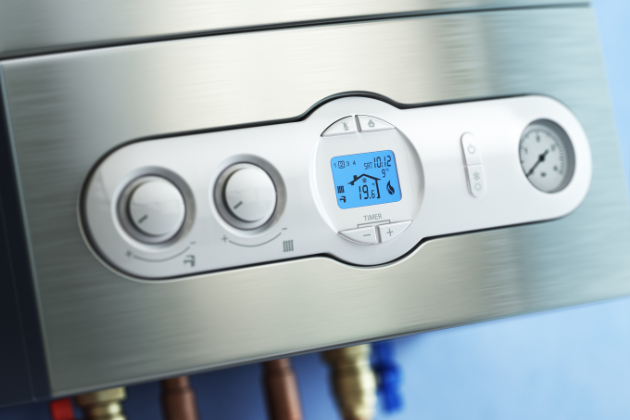
Seeing the needle in the red on your boiler gauge can be worrying, especially if you suddenly lose heating or hot water. The good news is that topping up boiler pressure is often straightforward, as long as you follow a few simple safety steps and know when to stop.
What boiler pressure is and what the gauge shows
Boiler pressure is the pressure of the water inside your heating system, measured in bar. It helps move hot water around your radiators and pipes effectively.
Most modern combi and system boilers are designed to run at around 1.0 to 1.5 bar when cold, and typically up to about 2.0 bar when hot. Always check your boiler manual for the exact range marked on your model, as this can vary slightly.
If the pressure is too low, the boiler may not fire up properly. If it is too high, safety devices can trigger or parts can wear out more quickly.
Signs your boiler pressure is too low
Low pressure is usually easy to spot by looking at the gauge on the front of the boiler, or sometimes on the pipework underneath. The needle will often be in a marked low or red zone below 1.0 bar.
Common symptoms of low boiler pressure include:
- No heating or radiators feeling cold even when the boiler is on
- No hot water from taps or showers on a combi boiler
- Boiler going into lockout with an error code or flashing light
- Boiler working only after you reset it, then stopping again
If you are not sure whether the problem is pressure related, check the gauge first before changing other settings.
Filling loop types: how you actually top up
To increase boiler pressure you use a filling loop, which connects your mains cold water to the heating system. There are two main types found on combi and system boilers.
External braided filling loop
This is a flexible silver or braided hose that usually sits under the boiler, with a valve at each end. In many homes it can be removed when not in use.
Each end of the hose normally connects to a solid copper pipe, one from the mains and one into the heating system. The valves may have black or blue handles, or small slots that you turn with a screwdriver.
Internal keyless or built-in filling loop
Some modern boilers have an internal filling loop operated by a small lever or tap on the underside of the boiler. You simply turn or pull this control to let water in.
Other models use a plastic filling key that you insert and turn, although these are becoming less common. The exact method will be shown in your boiler manual.
Important safety notes before you start
Only attempt to top up the pressure if you feel confident and can clearly see the gauge and filling controls. Never guess which valve to turn if you are unsure.
Do not over-pressurise the system. As a general rule, you should aim for around 1.0 to 1.5 bar when the system is cold, unless your manual states otherwise. If you are in any doubt, or the process worries you at all, contact a qualified Gas Safe registered engineer.
Step-by-step: how to top up boiler pressure
These steps are a general guide for combi and system boilers. Always read your manufacturer’s instructions first, as details can vary slightly.
1. Turn the boiler off and let it cool
Switch the boiler off and allow it to cool for at least 15 to 30 minutes. This gives you a more accurate reading on the pressure gauge and reduces the risk of hot water issues while you work.
Check the gauge once the system is cool. If it is below your boiler’s recommended cold pressure, you can top up.
2. Locate the filling loop
Look under the boiler or nearby pipework for the filling loop. If you have an external braided hose, make sure both ends are firmly connected and the valves are in the closed position to begin with.
If you have an internal keyless filling loop, find the small lever or tap and note which position is “off” before you start.
3. Open the valves slowly
For an external braided loop, open one valve first, then slowly turn the second valve. You should hear water begin to flow. For an internal loop, gently move the lever or tap to the fill position.
Watch the pressure gauge as you do this. The needle should start to rise steadily. Do not leave the boiler unattended while it is filling.
4. Watch the gauge and stop at the correct level
When the needle reaches around 1.0 to 1.5 bar (or the level stated in your manual), close the valve or move the lever back to the off position. If you opened two valves, close them both firmly, one after the other.
Take your time. It is much easier to add a little more water than to deal with a system that has been overfilled.
5. Close everything and reset the boiler
Double-check that all valves are fully closed and the braided hose is not left under permanent pressure if your system is designed for it to be removed. Wipe up any drips so you can spot fresh leaks later.
Turn the boiler back on and reset it if needed. Once it has run for a short time, check that the heating and hot water are working and that the pressure is stable.
When you should not top up the pressure
If you are topping up the pressure every few days or even every week, that is a sign something is wrong rather than a simple maintenance task. A healthy, sealed system should hold its pressure well.
Frequent pressure loss can point to issues such as a leak on the pipework or radiators, water discharging outside through the pressure relief pipe, or a problem with the expansion vessel inside the boiler. In these cases, adding more water repeatedly can make things worse.
Never keep topping up a system that drops from normal pressure to very low within hours. This can push sludge and fresh air around the system, leading to further damage and corrosion.
What to do next if pressure keeps dropping
If your boiler pressure regularly falls below 1.0 bar, it is time to get a professional to investigate rather than relying on constant top-ups. A proper diagnosis will save you money and stress in the long run.
Quick checklist for ongoing pressure issues
- Check around radiators, valves and visible pipes for damp patches or drips
- Look outside at the copper safety pipe for signs of water discharge
- Note how often you are topping up and how far the pressure drops
- Write down any error codes showing on the boiler display
- Arrange a visit from a Gas Safe registered heating engineer
Share your notes with the engineer, as this can help them find the fault more quickly and fix it properly.
FAQ: how often should I top up my boiler pressure?
In a well-maintained combi or system boiler, you should not need to top up the pressure very often. Many households might only do it once or twice a year, if at all.
If you are having to add water every month, or more frequently than that, you almost certainly have an underlying problem that needs checking by a professional.
Need help with persistent boiler pressure problems?
Safe, correct pressure is essential for a reliable boiler and efficient heating. If you are unsure about any step, or your system will not hold pressure after topping up, it is always safer to call an expert rather than risk damage to your boiler.
For professional boiler fault finding and repair, including low pressure issues, contact Parks Plumbing and Heating Ltd today on 07889 370789 or visit our Boiler Maintenance page to arrange a convenient appointment.