


Boiler making a banging noise? Common causes & fixes
Boiler started banging, whistling or gurgling? Learn what those noises usually mean, which quick checks are safe to try yourself, and when it is time to call in a heating engineer.
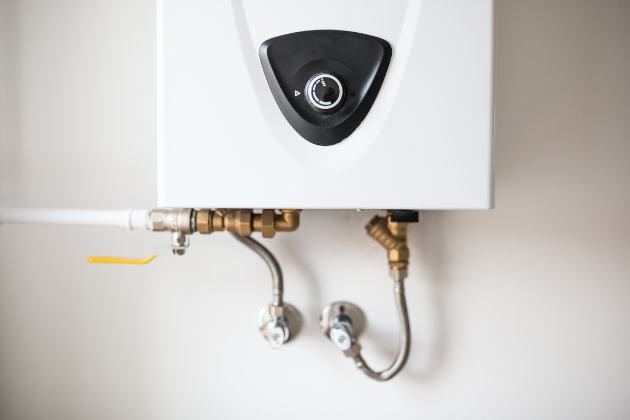
If your boiler has started banging or whistling, it can be worrying, especially on a cold evening when you just want the heating to work. Noisy boilers are common, but they are rarely something to ignore for long.
Common boiler noises and what they often point to
Different sounds usually hint at different issues inside your heating system. Listening carefully can help you explain the problem clearly to an engineer and avoid guesswork.
- Banging or knocking: Often linked to kettling from limescale, pump issues, or loose pipework moving as they heat and cool.
- Whistling: A classic sign of kettling where water boils inside the heat exchanger, or sometimes a problem with the gas-to-air mix or a faulty fan.
- Gurgling: Frequently caused by air trapped in radiators or pipework, or low system pressure affecting circulation.
- Humming or buzzing: May point to a noisy pump, loose components, or electrical parts vibrating.
While some noises can be relatively minor at first, they often signal an underlying issue that will worsen if left untreated.
Kettling explained in simple terms
Kettling is the name given to a boiler that sounds a bit like a boiling kettle, with loud bubbling, whistling or banging. It usually happens when water flow through the heat exchanger is restricted.
On the South Coast, hard water is a big contributor. Limescale builds up in the heat exchanger, narrowing the pathways that water flows through. Water then gets trapped in very hot spots, turns to steam and expands suddenly, which creates banging or whooshing noises.
Sludge from rust and dirt can have a similar effect, blocking pipes and radiators so water does not circulate properly. Both limescale and sludge mean your boiler has to work harder to heat your home, using more gas and putting extra strain on components.
Safe checks you can do before calling an engineer
There are a few simple, safe steps you can try when your boiler is noisy. If at any point you see water leaking, or hear very loud banging, skip these checks, turn the boiler off and contact an engineer immediately.
Check your boiler pressure
For most systems, the pressure gauge should sit around 1 to 1.5 bar when the system is cold. If it is very low, you may notice gurgling or poor heating performance.
Many homeowners are comfortable topping up pressure using the filling loop, following the manufacturer’s instructions. If you are unsure, or the pressure keeps dropping, leave it and ask a professional to investigate.
Bleed your radiators if they are noisy
Cold spots at the top of radiators or a gurgling sound can mean there is air trapped in the system. Bleeding radiators can release this air and quieten mild noises.
Use a radiator key, turn the valve slowly with a cloth underneath, and close it again as soon as water starts to flow steadily. Afterwards, check the boiler pressure again, as bleeding radiators can lower it slightly.
Check controls and basic settings
Make sure the room thermostat is set correctly and the programmer is calling for heat when you expect it to. Faulty controls can cause the boiler to cycle on and off more than it should, which sometimes leads to humming or rumbling.
Never remove the boiler casing, touch gas components, or attempt to fix internal parts yourself. Anything beyond simple user controls should be handled by a Gas Safe registered engineer.
When to switch off and call an engineer
Some situations are not worth taking a chance on. Safety should always come first with gas appliances.
Turn the boiler off and contact an engineer promptly if you notice any of the following:
- Loud, sharp banging or clanging from the boiler itself
- Any smell of gas, even faintly, around the boiler or meter
- Visible water leaking from the boiler or nearby pipework
- The boiler repeatedly locking out or needing a reset
If you suspect a gas leak, turn the gas off at the meter if it is safe to do so, open windows, and avoid using electrical switches. Then call the gas emergency number before arranging a repair.
Typical underlying causes of noisy boilers
When an engineer inspects a noisy boiler, they are usually looking for issues that affect water flow, heat transfer or moving parts. On the South Coast, hard water and limescale are near the top of the list.
Common culprits include limescale in the heat exchanger, sludge blocking radiators and pipework, trapped air that keeps coming back due to circulation problems, and a pump that is failing or set to the wrong speed.
Loose pipework can cause knocking as pipes expand and contract against joists or walls. A faulty fan or issues with the gas-to-air mix can also lead to odd whistling or whooshing noises from inside the boiler casing.
Professional fixes and long-term prevention
Once the cause is identified, your engineer can talk through the most suitable solutions. These usually focus on cleaning the system, improving water quality and replacing worn parts where needed.
For kettling and circulation issues, they may recommend a system flush or powerflush to clear sludge and debris from radiators and pipework. In hard water areas, treating the system and fitting a scale reducer can help slow future limescale build-up.
Adding a good quality inhibitor protects against corrosion and sludge forming over time. Many homes also benefit from a magnetic filter fitted on the return pipe to the boiler, which traps rust particles before they reach the heat exchanger.
If specific components are worn, such as the pump, fan or heat exchanger, targeted replacement can restore quiet, efficient operation. Regular servicing is then key to keeping everything running smoothly and catching small problems before they become big ones.
Need help with a noisy boiler?
If your boiler is making worrying noises, do not ignore it and hope it goes away. Early attention can prevent breakdowns, protect your boiler and keep your heating bills under control, especially in hard water areas along the South Coast.
For friendly, expert advice and reliable boiler fault finding, visit the Boiler Repairs page, or give Parks Plumbing and Heating Ltd a call on 07889 370789 to arrange a visit from a qualified engineer.